WHICH?
Pigment Characteristics
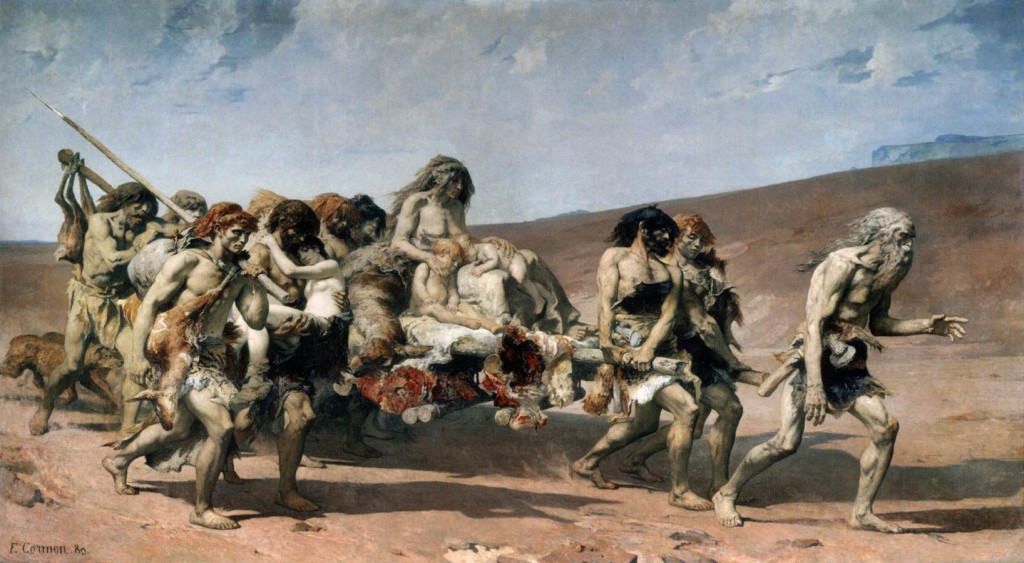
“What, you haven’t any ivory-black on your palette? If you think you are going to make black with blue and red, I can’t have you in my class. You might stir up trouble with such ideas.” Fernand Cormon
I had picked black. Both because there are only a few black pigments available to painters and because, it so happens, all of the blacks of relevance cover the totality of Time since man has started using colour and every combination of organic/inorganic, natural/ synthetic, pigment vs lake you might wish to hear about to understand pigments in general. And so I decided to use the blacks as a way to illustrate these categories with real examples and settle any misunderstandings you might still have on that score. (I was wrong. In fact, I’m not even sure I understand these categories much anymore myself.)
Black is one of the two original words used to describe Colour in most languages worldwide. If not strictly black, dark. Dark as opposed to light. Yet some see it as not even a colour, merely the absence of light. Others understand that all colours are present in it. (Of course they are both right, depending on whether they describe an additive or subtractive environment.) Maybe no need for even one, you’re thinking, but that is debatable. Students were and are still told that black should be mixed, never used straight from a tube. A black sin, that one!1 (Except in Fernand Cormon’s class, of course.) Renoir did not even think of black and white as colours, yet they are mostly accepted as such in the paint world since they do, after all, ‘colour’ other colours! They not only exist but can boast quite a few hue variations straight out of their tubes as Van Gogh, still unsure about them, noticed: “But—tell me—black and white, may one use them or not? Are they forbidden fruit? I think not. Frans Hals must have had twenty-seven blacks.”2
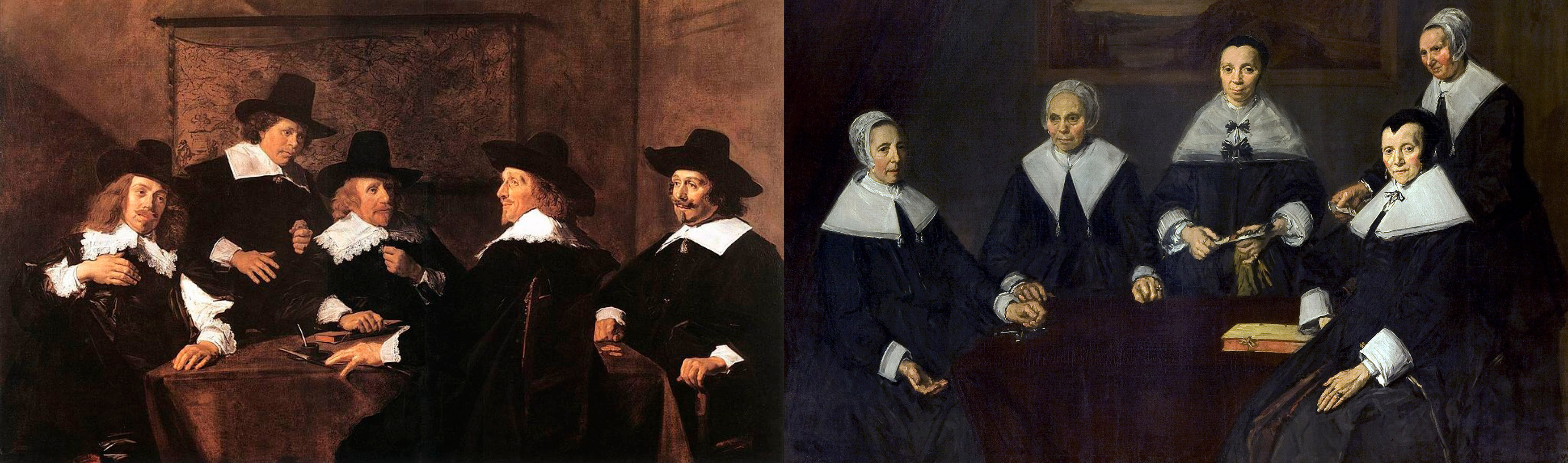
I do not know how many different black pigments Hals had at his disposal (some must have been mixes because I doubt there even are twenty-seven black pigments), but on Goya’s palette were only nine colours, four of which were blacks: Bone, Lamp, Ivory and Peach Black. Indeed, were you to take the time to compare all available black paints, you would find quite substantial, if subtle, differences in transparency/hue between them, as neither 100% black (nor white, for that matter) is a paint option—yet. Although Vantablack, our latest black baby, which absorbs 99.965% of all visible light, is mighty close but… it is the sole property of Anish Kapoor!
Black in alchemy is the starting point of the journey, a journey of transformation—a most suitable symbol for the little one I want to take you on here.
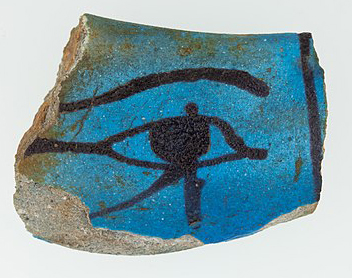
Often, when sitting around a fire pit on a dark night, I feel the connection with The Ancestors and gratitude too for how long this warm friend has offered us, fragile animals, security, a rallying point to share the day’s events and heroic tales, whilst our eyes soften and our hearts too, basking in the awesome beauty of its presence. It took us some mighty time to learn how to ‘make’ fire, but the stealers we are had understood how to keep the elemental spark going long before. And so, every morning in our hearth… a free drawing implement! In due course, we would discover that willow makes the best of marks, although the incomplete combustion of other twigs, even peach stones, grape seeds, or cork, works too. Having introduced what must surely be our oldest black pigment, Charcoal, and its delicious companion on the barbecue, Bone Black, I can now proceed naively, perhaps, but more or less chronologically. Mentioning in passing again the presence of Manganese Black in Lascaux, let me introduce you to genuine Lamp Black, which is soot, really. This one found its letters of nobility in China, where it ruled for centuries, and to this day, as the uncontested ‘Regent of Characters’—but of course, the Egyptians also discovered how to make ink from soot long ago. Too, they had invented another black pigment, Kohl, one they used to paint their eyes rather than Horus’. This galena lead-based one, highly complex in its chemistry, offering them not only protection from the gods but also from the eye infections so common in the Nile’s swampy valley. (2)
The Romans swore by the blue-grey tones of vine charcoal and had even found a way to carbonise the dregs (the better the wine, the darker the black, apparently!) Could it even be, most appropriately, that a stick of Vine Charcoal was used to make a joke about how someone had been so drunk the previous night? The inscription was recently found on a wall in Pompeii, but the graffiti was dated two months later than the Vesuvio’s eruption was previously thought to have happened on, i.e. the 24th of August, 79 A.D. (Pliny the Younger wrote the whole story some 30 years later, so he’s got excuses for getting the date a bit wrong.) Nevertheless, the modest charcoal inscription did answer many questions historians had about the presence of autumn berries or braziers in the middle of summer!3

Medieval manuscripts would have shown us how iron-gall ink was not such a great idea as its acidity would eventually eat up the paper, but how grisaille miniatures also used another, more unusual pigment, Antimony Black, which did not. English shepherds could have taken us in Cumberland on a tour of a natural graphite site they knew about and marked their sheep with—definitely a more efficient way than falling asleep doing so. (They called it Black Lead, not having recognised the difference and… we still make that mistake when we think we’re drawing with ‘lead’ pencils.) The 17th century would have taught us how renouncing the frivolous, vain colours could be a way to show your devotion and how, when black became pious, Logwood Black became the dye of the day. Laked into paint, this pigment complemented our dual-natured Bitumen, favoured by artists for their dark backgrounds and glazes. Finally, a few Black Art tricks later, we would have met the more modern Aniline Black or Black Lake, Spinel Black, Mars Black, Carbon Black, Furnace Black, Perylene Black, there’s even a Titanium as black as Ivory is black… in the fine art paint world.

To be fair, I knew we would encounter a few naming issues. Carbon Black, for starters, could correctly be used to describe a whole range of pigments based on elemental carbon. In that carbon-based group you would find some that are naturally crystalline, Graphite (my favourite as it comes from the Greek graphos, meaning, of course writing) or Shungite (nice sparkly one that one), some that have been charred, such as Cork or Vine (under that name not only vine sprigs but an array of other charred bits of nature I’ve noticed), some coked such as Bone and Ivory Black, and some the products of soots and smokes, such as Lamp Black or Bistre plus, indeed, the Carbon Black in your tube!
Despite these linguistic issues, the categories should not change as a result. Still, when such variety exists under the same name, I should have been worried that things would not turn out straightforwardly black or black! (You might wonder at this stage why I even picked black. But in truth, whichever hue I would have gone for would probably have been just as complex and messy.) So let’s concentrate on four paints commonly found in art stores: Carbon and Lamp Black, Ivory and Bone Black, as these are also good examples of what we do not seem to really agree on.
But before I do that, I think I need to explain what these PBk7, 77266 and other barbaric ‘names’ of pigments seen on the back of your tubes correspond to (it might even help!) So I’ll take a little break to do so and then continue this section.
Jump to the next section of the book by clicking here
Alternatively click on the Table of Contents to browse the sections.
You can also subscribe to my blog at the bottom of this page,
and you’ll receive Hues in Tubes in your inbox… as it gets published!
Additional information & references
- Hear what paintmaker Robert Gamblin has to say about this: “A conservator friend of mine, Ross Merrill, he and I taught a course in impressionist painting techniques many years ago and we did some pretty in-depth research on impressionist painting. And this is where this don’t use black idea came from and we think we’ve stumbled on the origin of the idea don’t use any black and it was a statement from Monet where he said. “Black is the death of shadows.” But Ross, whose day job was head of conservation at the National Gallery, said that in analyzing Monet’s paintings they found black all over the place but they just didn’t find any in the shadows.” in Gamblin’s newsletter, The Color Episode [Online]. [Accessed 2 February 2025]. Available at:https://gamblincolors.com/wp-content/uploads/2018/01/SavvyPainter-Gamblin-ColorEpisode.pdf ↩︎
- van Gogh, V., from 20th October 1885 in The Complete Letters of Vincent Van Gogh (1991) New York Graphic Society, New York, U.S.A. ↩︎
- If this story amuses you, you can learn more about it at https://www.archaeology.wiki/blog/2018/10/18/pompeii-was-destroyed-two-months-later-than-previously-thought/ and https://www.livescience.com/63866-pompeii-graffiti-rewrites-vesuvius-timeline.html ↩︎
Discover more from in bed with mona lisa
Subscribe to get the latest posts sent to your email.
 in bed with mona lisa
Will never see black the same way again
Thanks so much Sabine for this fascinating chapter and the carfully selected art as always Specially loved the fragment from Pompeii and wondering how you discovered it. Edith F.
Oh Edith… thank you for your kind words and, yes, any little tibit (or image) I thought I could use and has ever come my way over the past decade has been squirrelled away and kept lovingly to share with you!!
At last I seem to have discovered how to respond directly to these exciting chapters when they come through!
So perhaps I might add a quick note to say how much we miss you and how often we think of you. Sophie is completing her HSC this year so there is a lot of excitement in the household. With advanced English and Maths on the agenda and ancient history as a forever favourite subject, I might have to send her your way for a bit of advice about future studies!
Meanwhile hoping all well, wherever you are and sending best love from us 4. x
I’ll never look at black as “just black” ever again!
Love the fragment from Pompeii. Once again thank you Sabine for your specially chosen photos of such wonderful art. Such a special joy. Edith F.