WHYEVER?
Hues in Tubes… and how they made a name for themselves
Some paints are named after… someone who could be…
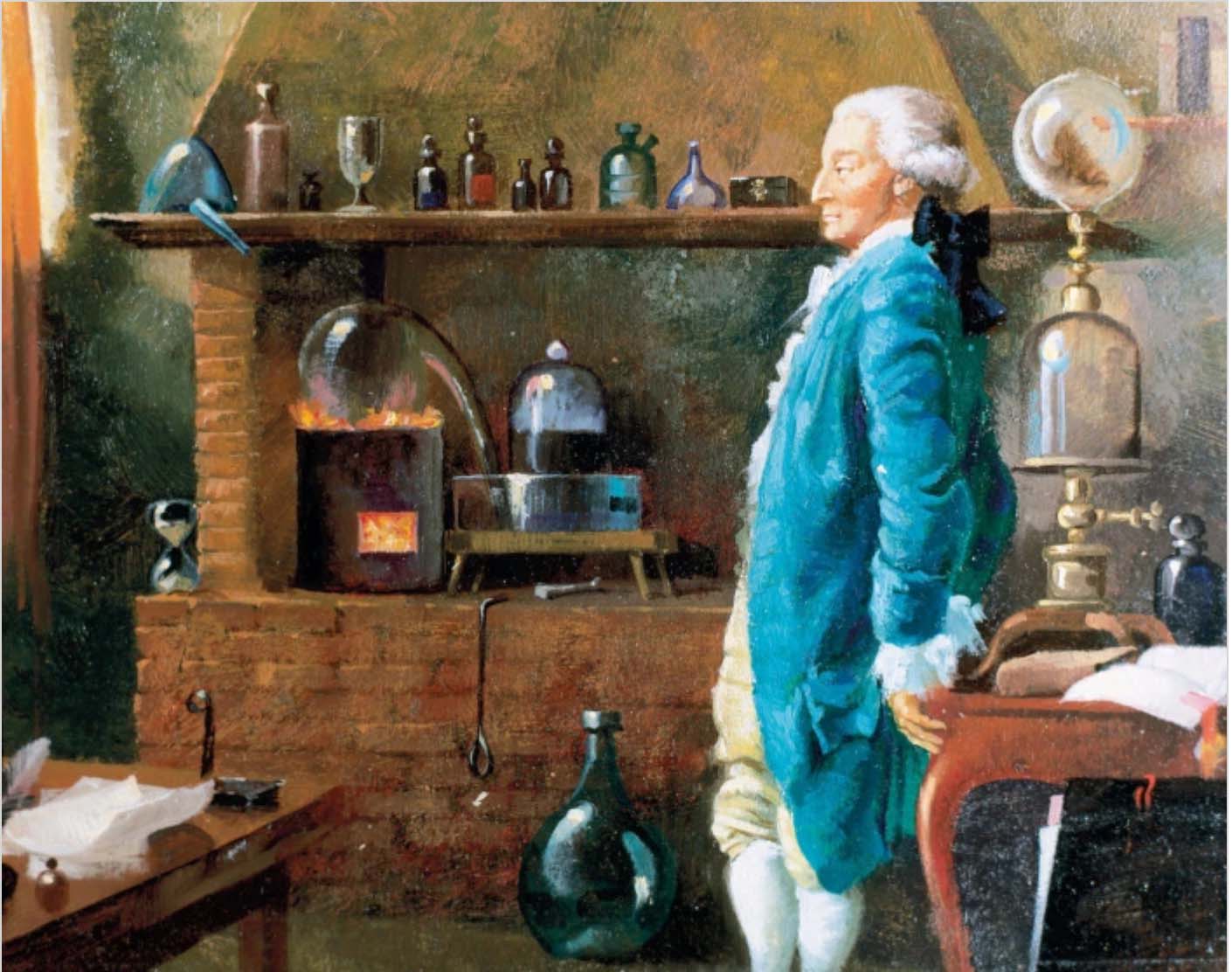
From Egyptian Blue to YInMn, it is rare that the person who actually discovers/creates/concocts/chances upon a new pigment or understands how to reproduce one synthetically is remembered by name. For centuries, it was presumably more a collective trial-and-error process anyway. Still, if you often hear of happy accidents in a ceramic factory or lab that have resulted in a new colour, the person behind the ‘mistake’ is rarely remembered. Those chemists who have had their names attached for a while to a colour (Orr White, Perkin Mauve, Thenard Blue, Rinman Green1), have often seen the colour’s name altered to something else in time.
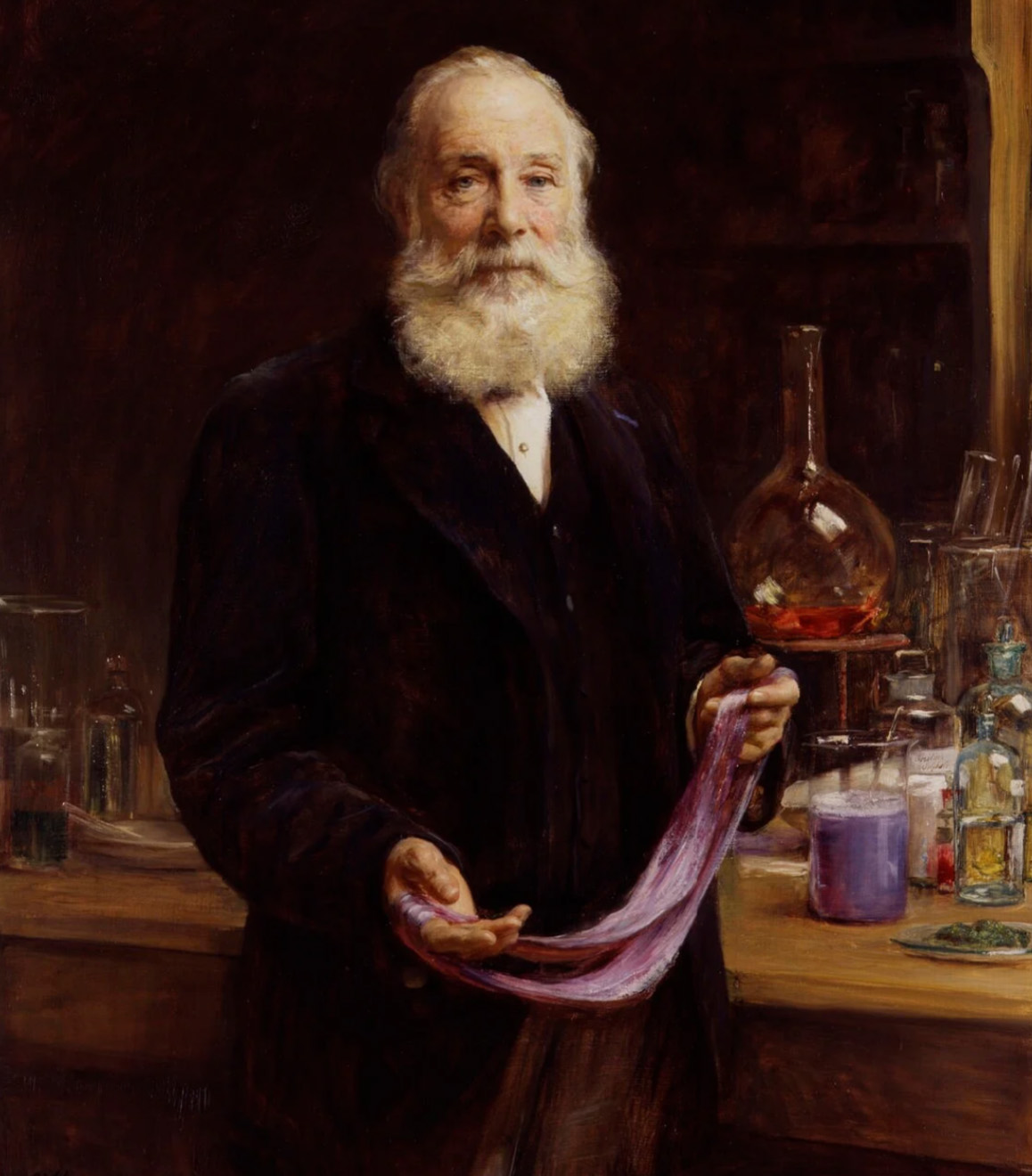
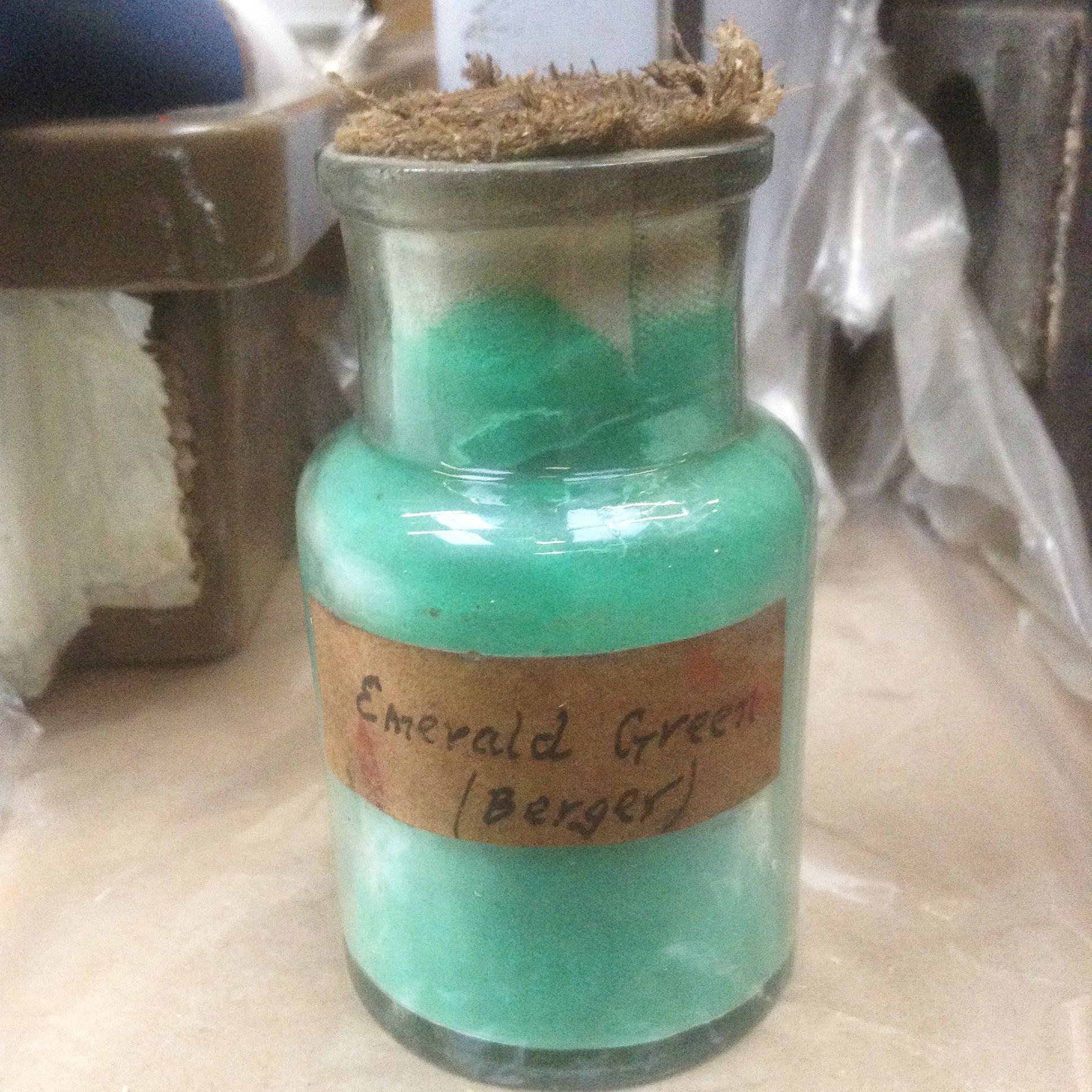
Sad perhaps and yet maybe Scheele and Sattler are very pleased that History has forgotten them as they were behind two of the most toxic, arsenic-ridden pigments ever invented: Scheele’s green and the more durable, intense and totally irresistible, but even more toxic Emerald Green, created by Sattler. Paint sold under the latter name nowadays has none of the above ingredient of course, and only Scheele’s name remains connected to his green, Sattler who created Emerald is not. But the fathers of killer pigments they both were, as these lethal greens were soon found on anything from toys to furniture to wallpaper. Most probably responsible for the death of quite a few little ones and perhaps even one ‘big’ one: Napoleon Bonaparte himself! Were you under the impression there was no way a wallpaper could kill anyone? Well, you might be wrong… “My wallpaper and I are fighting a duel to the death. One or the other of us has got to go.”2 is a quote reported to be, if not precisely Oscar Wilde’s last words, at least his last bon mot, but maybe it should have been Napoleon’s dying words too!
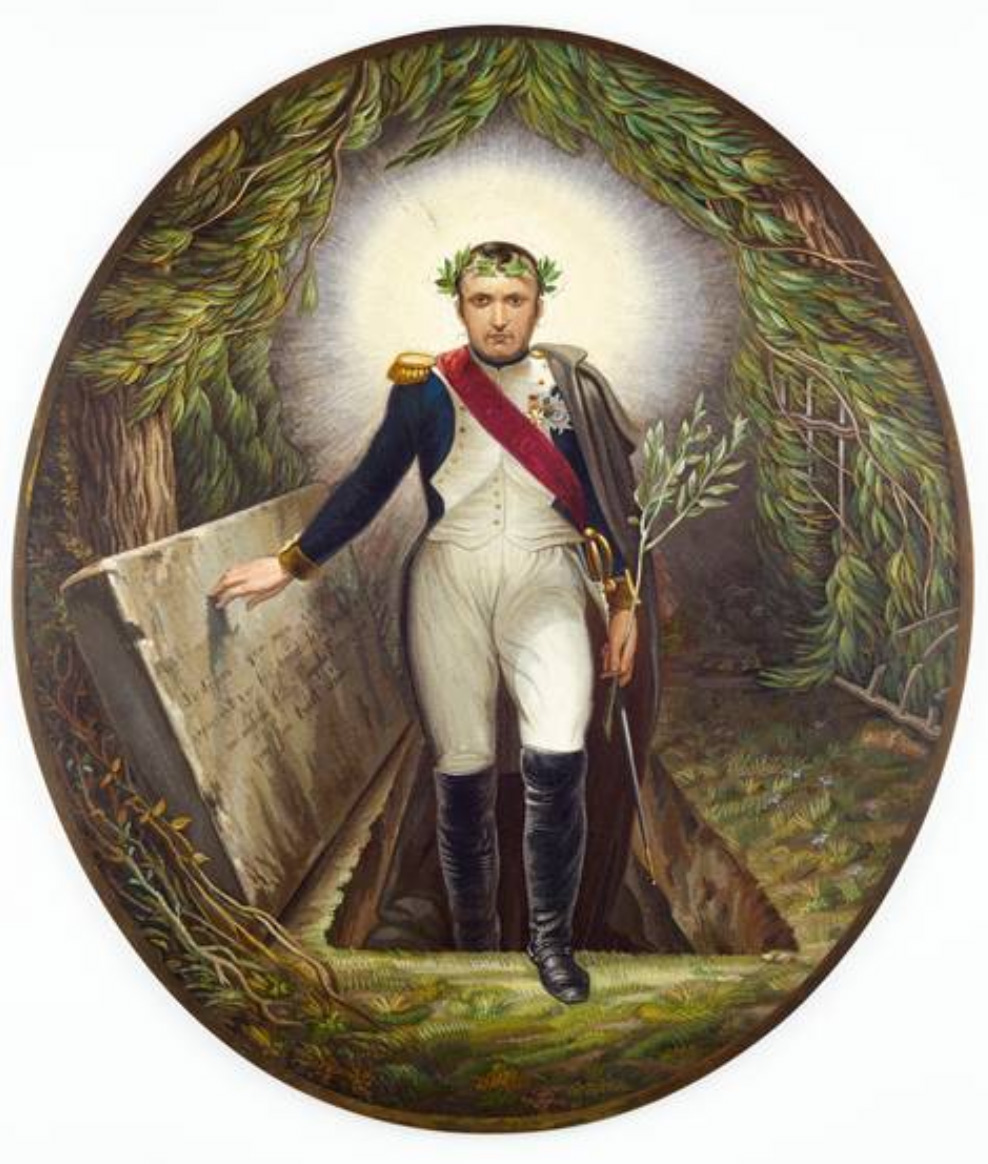
The debate is still going strong yet the ruler, who until recently was believed a victim of stomach cancer, might just be the one and only wallpaper victim… what a fate after having conquered most of Europe! The story goes so: recently a lock of his hair revealed substantial traces of arsenic… his bedroom’s wallpaper was gold Fleur-de-lis embossed on a Vert Empire background as it so happens (and would have suited an ex-emperor in exile)… other rooms were entirely painted in that same green… the weather is very humid on the island of Saint Helena… wallpaper and paint deteriorate fast there… all charming above substances can activate given the proper conditions… up to you to imagine the rest!
I cannot close this list without mentioning the one chemist who really missed the boat to a long-lasting success: a certain James Turner who created a yellow based on a process for preparing soda which Scheele had discovered. Actually, as you will appreciate better soon, it would have been helpful if there had been a genuine, indisputable “Turner Yellow” but for that, the James Turner in question should have been that little bit more shrewd. The colourman did indeed patent a yellow pigment in 1781 and it went on the market in 1787 under the name of “Patent Mineral Yellow, available at his manufactory, 24 Millbank St, London.”3 Despite his claims that it was superior to King’s Yellow and Naples Yellow, the pigment knew no success and was soon forgotten. But really now, how wrong can marketing go, Turner Yellow, hello! One who did try to ride that wave though was the same Scheele of ill-repute mentioned above in conjunction with his deadly green. The pigment he’d come up with, a lead oxy-chloride yellow, also a by-product of the soda production process, he tried to sell under the name “Turner’s Patent Yellow” but that colour didn’t take off either. It was not until Winsor & Newton had a go and labelled an opaque, rich yellow mix: Turner Yellow, that the name stuck. They claim theirs is “a colour closely resembling the toxic genuine Gamboge and King’s Yellow colours Turner frequently used.” Yet, available in most paint ranges today, quite a few other composition/mixes are given that same Turner Yellow enticing label… up to you which one you prefer!
Jump to the next section of the book by clicking here
Alternatively click on the Table of Contents to browse the sections.
You can also subscribe to my blog at the bottom of this page,
and you’ll receive Hues in Tubes in your inbox… as it gets published!
Additional information and references
- Rinman Green still exists in some ranges. ↩︎
- Many years ago, I came across this quote in Famous Last Words, an article in The Guardian and immediately decided to use it here but… the book having taken some years to finish, I came across someone else, since, who had also used it in the same context! I decided it was too good not to keep it! https://www.theguardian.com/commentisfree/2015/aug/02/famous-last-words-oscar-wilde-pithy ↩︎
- British artists’ suppliers, 1650-1950. National Portrait Gallery website [Accessed 2 March 2021]. Available at: https://www.npg.org.uk/collections/research/programmes/directory-of-suppliers
↩︎
Discover more from in bed with mona lisa
Subscribe to get the latest posts sent to your email.
 in bed with mona lisa
One Comment Add yours