WHYEVER?
Hues in Tubes… and how they made a name for themselves
Some paints are named after… someone who could be…
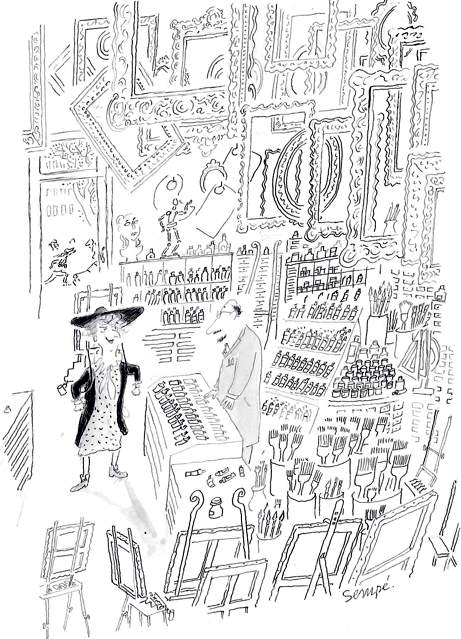
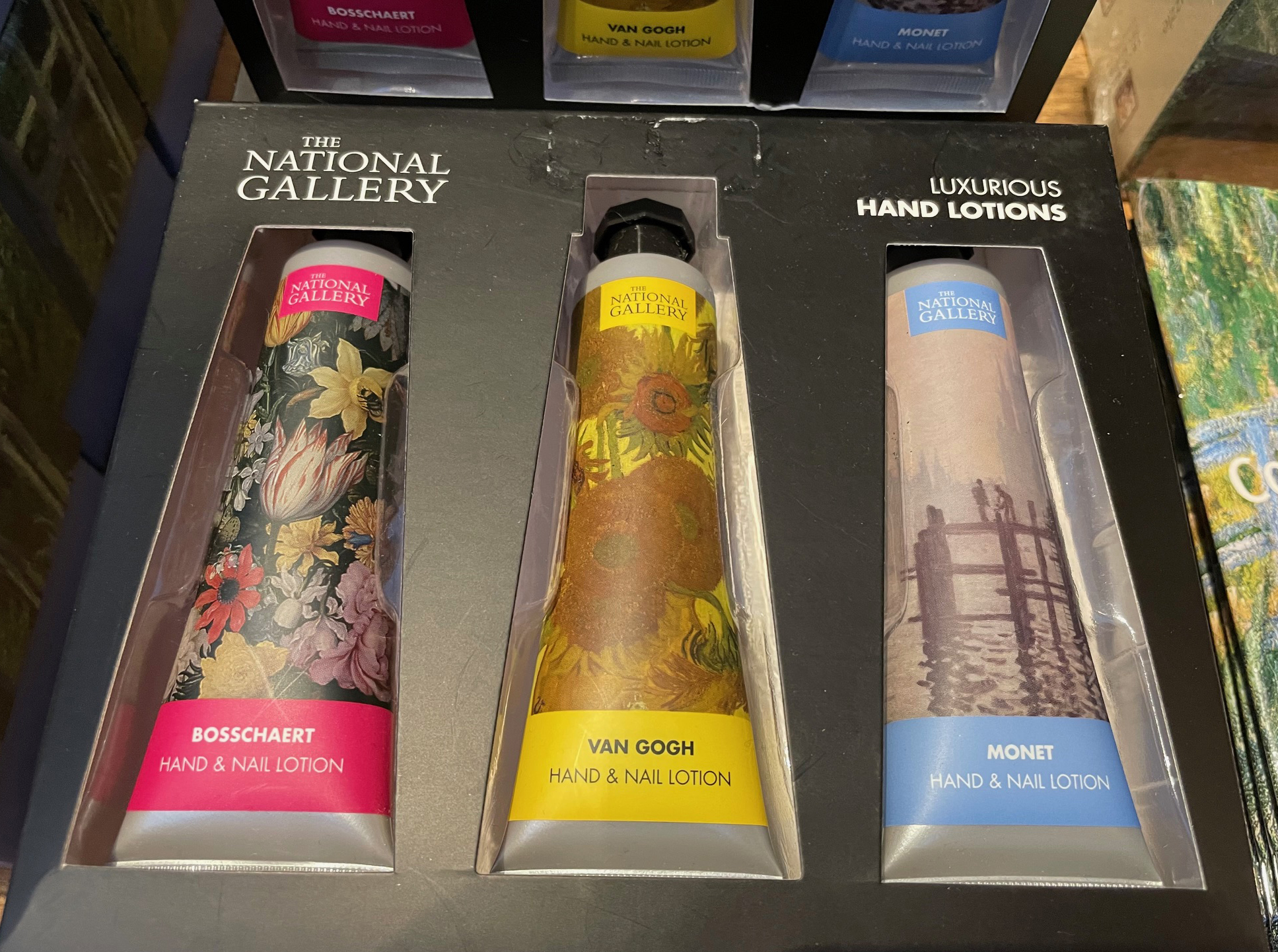
Many paint ranges seem to have chosen an artist as their ‘sponsor’. Some quite naturally so, such as Van Gogh and Rembrandt under the umbrella of the Dutch company, Royal Talens, for example. Yet other artists, should they come back to life, would be somewhat surprised at their namesake paint, I believe… Matisse an Australian acrylic range? Rublev a North American oil range? As for Holbein being an entire Japanese art materials company today, I’m sure Hans could not have quite imagined this in his future… (Not to mention Da Vinci brushes, when Leonardo’s whole striving was for a totally brush-less result!)
Naturally, too, some painters also did give their names to specific paints for less commercial reasons. They did not invent pigments, however, and so, often, it is a technique, the use of a colour or a specific mixture that eventually led to it being attributed to them.
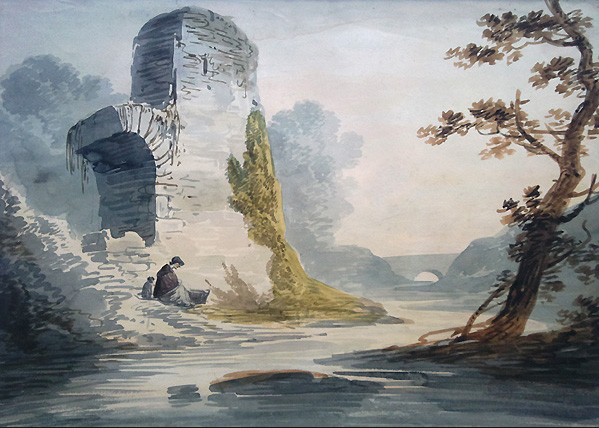
Let’s first tackle Mr Payne’s painless grey. Interestingly, that beautiful colour is rarely labelled a hue although today’s mixtures are entirely left to the vision of paintmakers. It always was a blend of pigments, a bluish-black made by the artist himself for the shadows and backgrounds of his watercolours and, even if Maimeri has recently brought on the market the first mono-pigmented Payne’s Grey, the paint sold nowadays is also a mix. Sometimes Indigo or Prussian blue are added to Crimson Lake or Quinacridone Red + a Brown or Yellow Ochre or even Raw Sienna; while many companies simply mix a black and an Ultramarine/Phthalo Blue. However they get there, Payne’s Grey, described by British painter George Thomas Shaw as “the colour of English rain” usually ends up, in fact, a yummy colour. But for above reason artists can be choosy as to their brand.
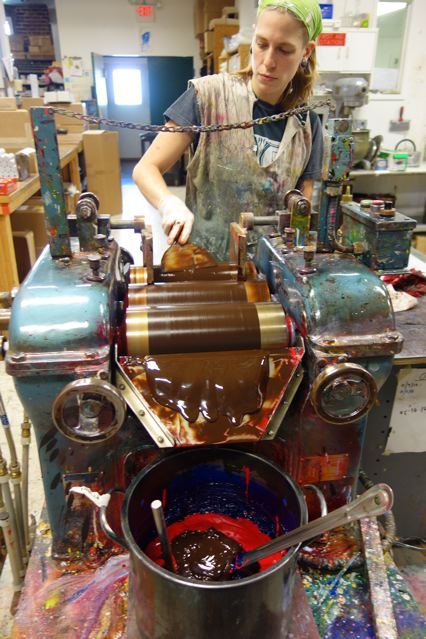
Surprisingly, perhaps, a brown made it to fame too but it was never really an obvious one as, to quote Terry (1893) “What the original brown used so much by the great Van Dyke [sic] was, no one can tell.” Probably, more a technique than a precise pigment, or a mix. Attributed to the charming Antoon van Dijck (better known in England as Sir Anthony van Dyke) Cassel/Cologne Earth, a very transparent bituminous brown usually containing over 90% organic matter, was certainly in the mix he used to glaze with, making his paintings unmistakable. Van Dyke learnt the trick from Rubens who added Gold Ochre to make an even warmer glaze, and in the nineteenth century this colour was often still referred to as “Rubens Brown”. But, and I’ve no idea how, Antoon won the naming game in the 20th century, (except perhaps that as his fame rose, that of Rubens faded) but he did. (Or maybe it’s because he was so damn good-looking!)
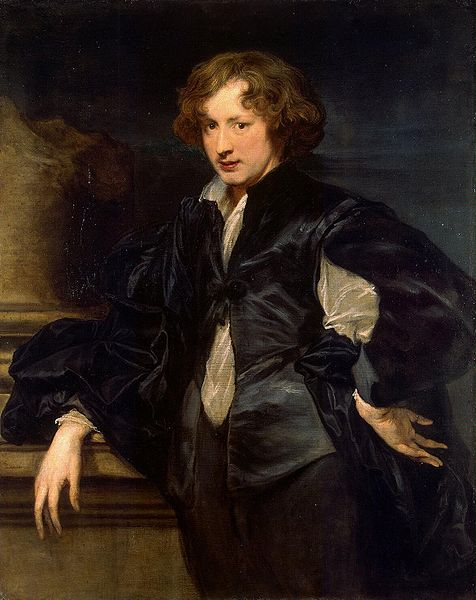
Of course neither Payne, Rubens, Van Dyke nor Veronese had the slightest idea in their time that their names would end up on paint tubes containing synthetic pigments but Veronese, I think, might have the biggest shock should he return now and see the hue that bears his. Take that Veronese Green in the Flashe range and, there, a happy mix of PW5, PW6, PG7 and PY4 has replaced what was a honed technique of layering Flake White as a base, then Verdigris + Lead-Tin Yellow with some more white as a second layer then copper resinate (a generic mix of green salts of copper, Venice turpentine and wax) to top it all.
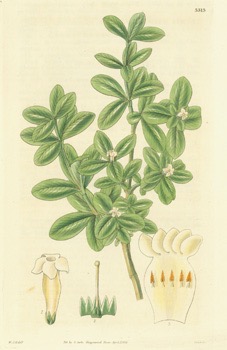
Onwards to more greens… the colour which is the overall winner of this naming game! Hooker’s Green, named after botanist and illustrator William Jackson Hooker, was a simple mixture of Prussian blue and Gamboge which was turned into a commercial paint long after his lifetime. Why it bears his name, though, is that Hooker, who tirelessly painted delightful botanical plates as the one above was weary of mixing these two colours all day long and asked his pigment dealer to premix them to save him some time. For Hooker, that green was the best starting point for all leaves and foliage. These days, it’s still available, as indeed it is most useful, but as a hue since authentic Gamboge is not used anymore. That dark mass-tone with rich blue-green undertones is often produced from all organic Modern pigments: Anthraquinone blue + Nickel Azo Yellow + Quin Magenta, for example.
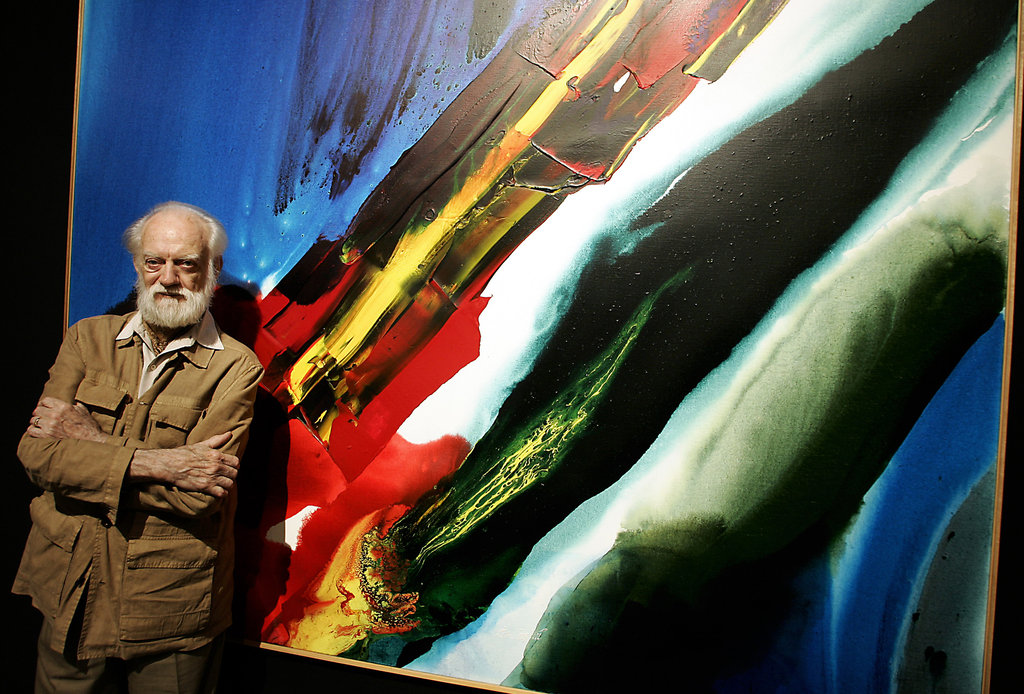
The last two greens I must mention are more recent ones: Carl Plansky of Williamsburg Oils created a mix of natural earth, Cadmium Yellow and Prussian Blue hue: “a sombre earthy green with surprising blue undertone” and named it, as a homage, I presume, Courbet Green. Richard Frumness, a friend of his, has added that pleasant green to his range of R&F oil sticks but I have not found it anywhere else. While Sam Golden, also a friend of the above two, did not but there’s a singular Jenkins Green in his range. A rich, warm, green blend Golden paints created for painter and abstract phenomenist Paul Jenkins that, eventually, they must have liked enough to commercialise.
Then there’s yellow, Turner’s Yellow. Or should I say Turner’s many yellows… as he did use just about any pigment he could put his hands on! And, despite his famous answer to Winsor’s concerns over some of them, that’s not even the full story as Turner made a lot of his watercolours himself, mixing his pigments with gum Arabic, a tad of gum tragacanth and varying levels of sugar or honey. And he sure loved his yellows… Gamboge, Quercitron Yellow, Ochres, Indian Yellow, King’s Yellow aka the highly toxic Orpiment which he replaced later by Chrome Yellow (when Vauquellin came up with a whole range of yellow shades from Chrome Lemon to Chrome Deep Yellow), all of these were found at some stage on his palette… so which shade should the Turner Yellow be?
We saw that Turner, James Turner, missed the boat, that Scheele was unsuccessful too while Winsor and Newton turned their yellow mix into a commercial success. But in truth, there isn’t a one and only genuine Turner Yellow. Turner had jaundice, aka “yellow fever” as his contemporaries suggested and that’s a disease which we all know makes you totally undiscerning when it comes to the hue, and… that’s that I’m afraid!
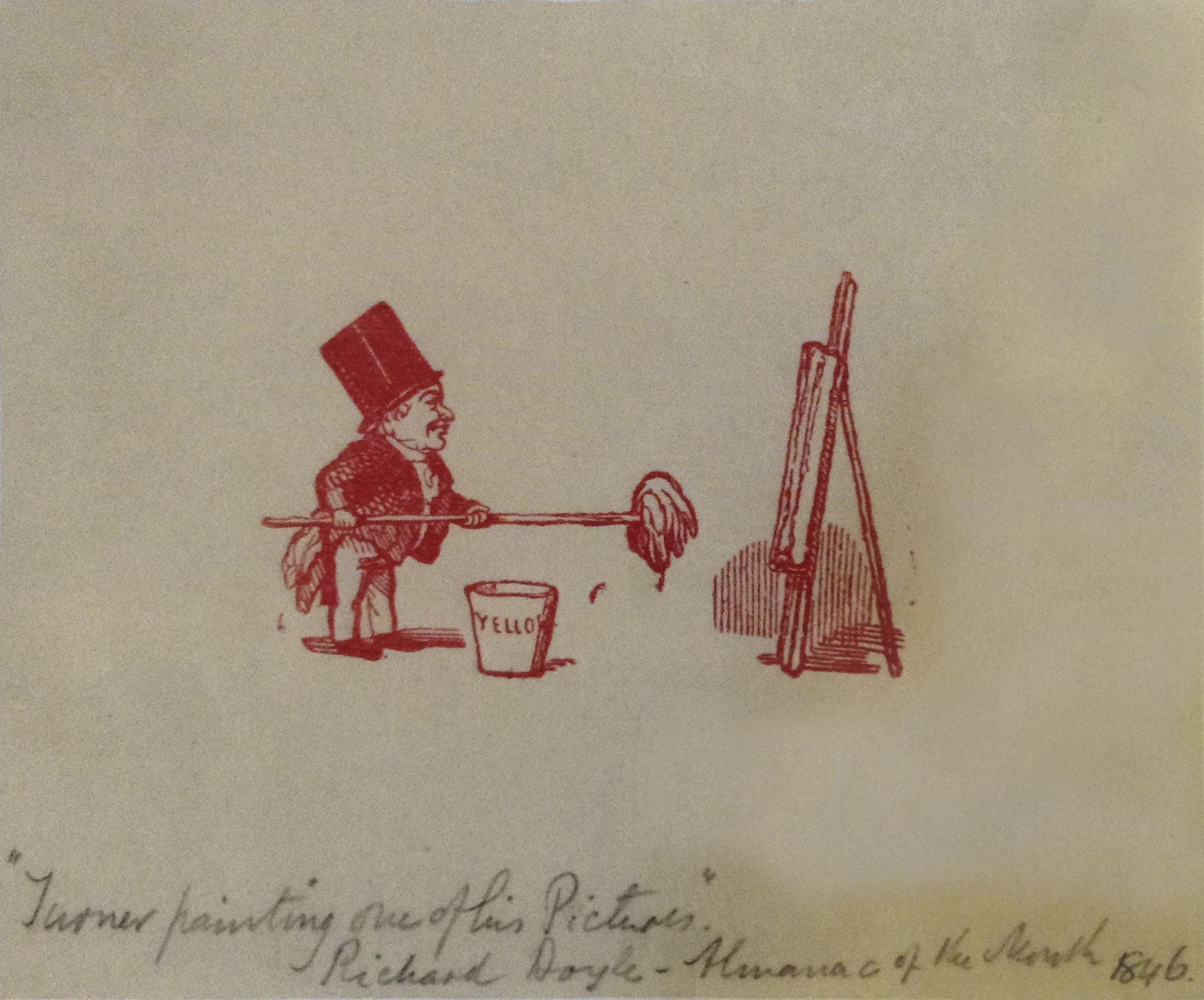
“Turner painting one of his Pictures” titled and signed by Richard Doyle. Almanach of the Month, 1846. National Portrait Gallery, London, UK
Nearly done, yet there’s no way I can round up this ‘painters by numbers’ survey without mentioning Klein, Soulages and Kapoor… artists who have built (or broken?) their careers on a unique colour.
Despite a short one, Yves Klein’s repetitive—you might even deem them , gimmicky or commercial—works have assured him best recognition and… the colour helps! The blue that bears his name was not made by him (he again was no chemist) but few know that’s it’s actually just synthetic Ultramarine; the exact same pigment found in your tube. What Klein did with it, though, is quite remarkable. Ultra-saturating it and mixing it with a synthetic resin, he made that colour sing; he made it dance! It is virtually impossible to look for a long time at one of his works, the blue is that mat and dense, and yet it is impossible not to look, it is that entrancing. All things considered, any artist who gives us an aesthetic arrest just with the one pigment, or should I say ‘colour sensation’ deserves a colour called after him and… IKB (International Klein Blue) sure does that!
The last two are battling for second position with black, and who knows which one posterity will remember best? Will it be Anish Kapoor who, you might remember, acquired in 2014 the exclusive rights to the blackest shade of black ever made: Vantablack, which he promptly renamed “Kapoor Black”. I was delighted to see the Forbes pigment collection had not changed their label, however, for I find Vantablack—named after its “Vertically Aligned NanoTube Arrays”—quite a deliciously frightening name for a black… that black! (Plus it’s my only acronym as I don’t think YInMn blue counts, being a combination of the chemical symbols for the elements it contains.) The response of his entire community has been something along the lines of: “Give it your name pal, no worries there but a pigment… that belongs to all of us!” I now understand that it takes, in fact, a nuclear reactor to use the paint (so hardly lying around an artist’s studio), but the technical and moral questions set aside, what is this paint’s value? Does it have any, since no one can use it? A little like Tyrian Purple, which only emperors could wear… Or will artworks made with it by Kapoor, at exorbitant costs no doubt, be ‘worth’ ever so much more? Time will tell. People might forget, or his career might not survive the anger and the spite, I’ve no idea what it will be but, personally, I ain’t putting my money on this black horse… however sexy.
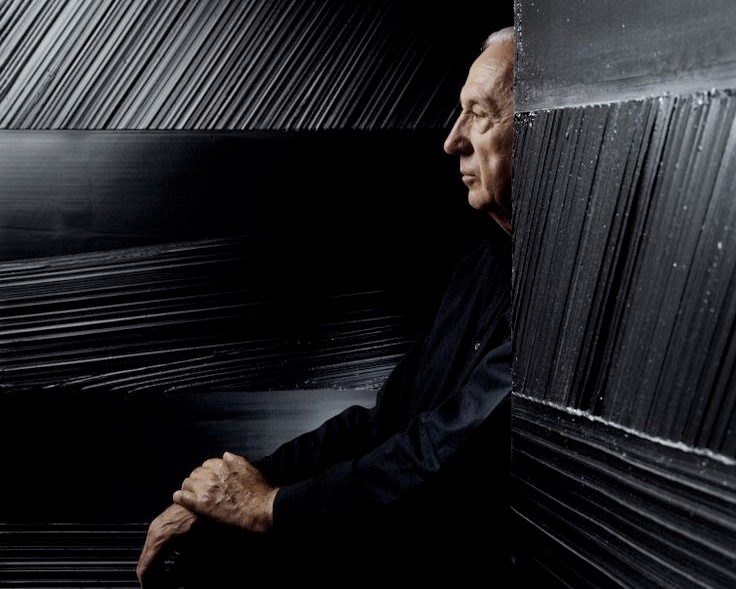
I would rather put it on Outrenoir and the delicious man behind a quietly productive lifetime of works virtually exclusively… black. Pierre Soulages, who turned a hundred years old in 2019, was still working then, pursuing his practice which he has baptised Outrenoir. A take on the name Outremer, French for Ultramarine, meaning “beyond the seas”, Soulages’ Outrenoir takes us “beyond black” and into a different space. A country of endless depths suggested by the play of light scattering off the infinite textures Pierre creates. Some days, it is precisely to that country I want to go. Yet Outrenoir and its palette of sheens might have to be discarded as, sadly, it probably does not count as a colour and has never made it onto a tube (shame as it’s such a lovely word!)
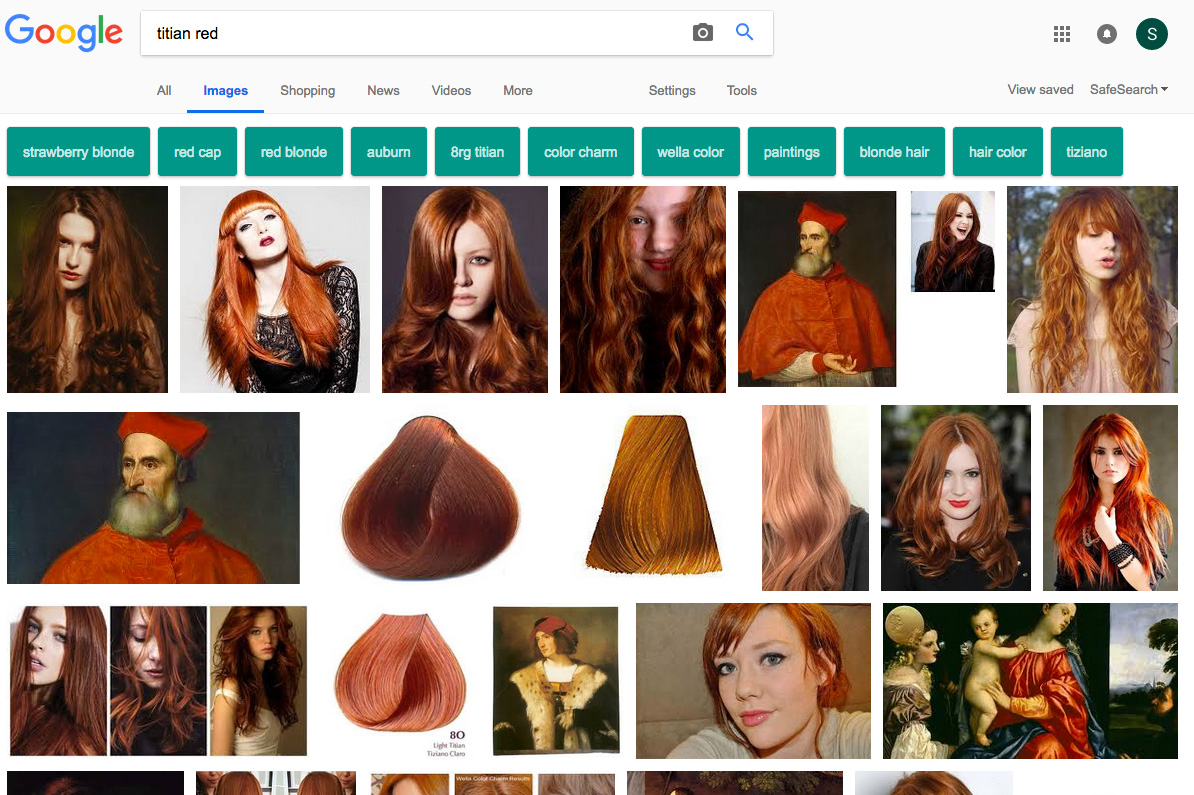
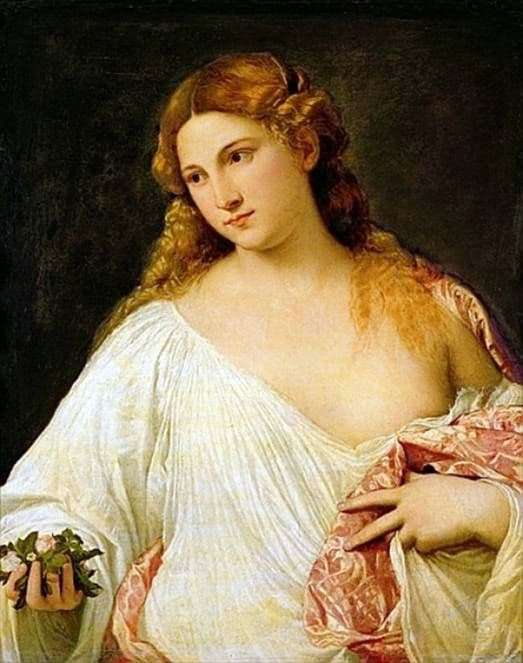
That’s about it yet, having said that, a little post-scriptum about Titian Red is in order. Yes, it exists as a colour name but, oddly enough, not as a paint name. Its sole usage seems to be for a particular hue of red… hair! Oh, Fate! Oh, Vanity! Whatever happened to this sublime artist, venerated in his lifetime, recognised by his contemporaries as “The Sun Amidst Small Stars” for him to end up not in a beautiful art store, as should have been his due, but in a hairdresser’s salon! Well, in truth, it’s Titian’s fault. Had the man not been so enamoured with auburn hair as to choose so many of his models, be she Venus or Virgin, for her flamboyant mane maybe Venetian ladies would not have become jealous. But how to imitate il maestro’s shade? Well… when there’s a burning desire… a mixture of rhubarb, turmeric and saffron will do the job, the first “Titian Red” hair dye it seems!
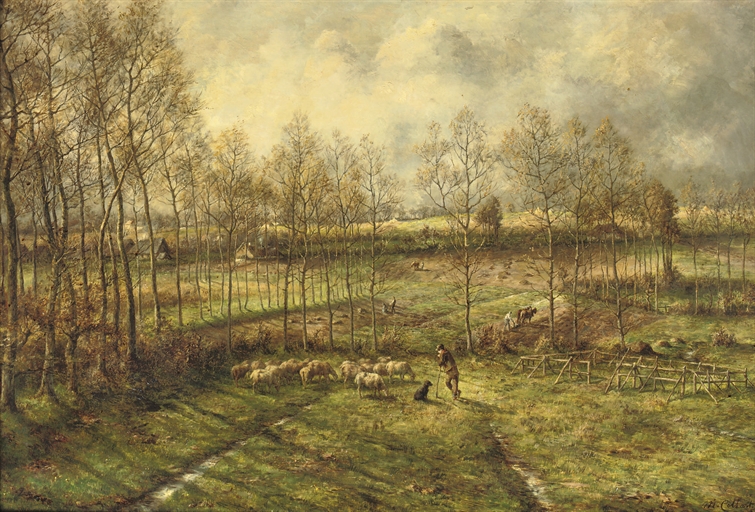
Oh, and before I forget, did I eventually find one woman in all of this? Yes, one there is, just that little bit hidden on the shelves of the Forbes’ pigment collection in a Blockx phial. Vert Marie Collart, a light green long-abandoned by the paint company, that Jacques Blockx (one of them, not sure which as there are generations of Jacques in that family) had named after Belgian landscape and animal painter Marie Collart.
Come on you paintmakers out there, surely you can do better than that and there might be a market in it too!! Imagine a Frida Khalo Orange! A Georgia O’Keeffe Pale Purple! Bestsellers for sure…
Jump to the next section of the book by clicking here
Alternatively click on the Table of Contents to browse the sections.
You can also subscribe to my blog at the bottom of this page,
and you’ll receive Hues in Tubes in your inbox… as it gets published!
Discover more from in bed with mona lisa
Subscribe to get the latest posts sent to your email.
 in bed with mona lisa
Sooooo interesting!!! Thank you. Teri
Thank yoooou Teri!