WHYEVER?
Hues in Tubes… and how they made a name for themselves
Some paints are named after… someone who could be…
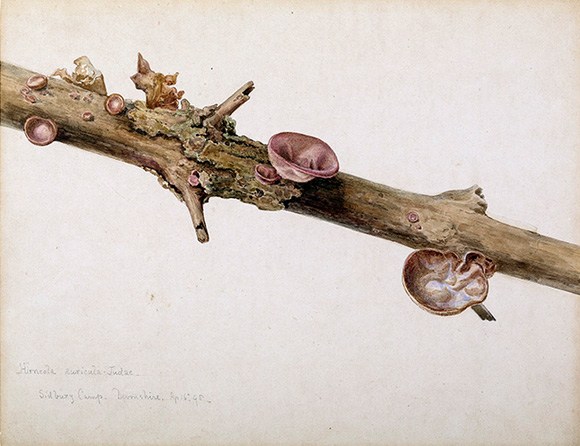
OMG, Potter’s pink! Who you did not read about in the previous section is Mr Potter and his pink—frankly because I had quite forgotten him. A man (again!) I realised I was assuming while putting back a tube of it on a shelf a few days after finishing that section… Harry? Certainly not, and then Beatrix came to mind. Could it be her? Named after her? Oh, how nice, I mused, while the image of Aunt Jemima immediately popped into my head. Surely her faded shawl was painted with Potter’s pink? Also some of those delicate mushrooms of hers I’d discovered recently, could they come out of that tube? Well, maybe they had indeed, but it’s not after her that the paint is named. Disappointed somewhat, I consoled myself with the fact that, for once at least, a pigment name had been given to honour the Glorious, if Anonymous, Potter who, among so many others, had advanced the cause of Colour by discovering a pigment. In this case, around 1780, a most deliciously muted pink ceramic pigment that, some years later, Winsor & Newton introduced as a watercolour paint under the name “pinkcolour.”
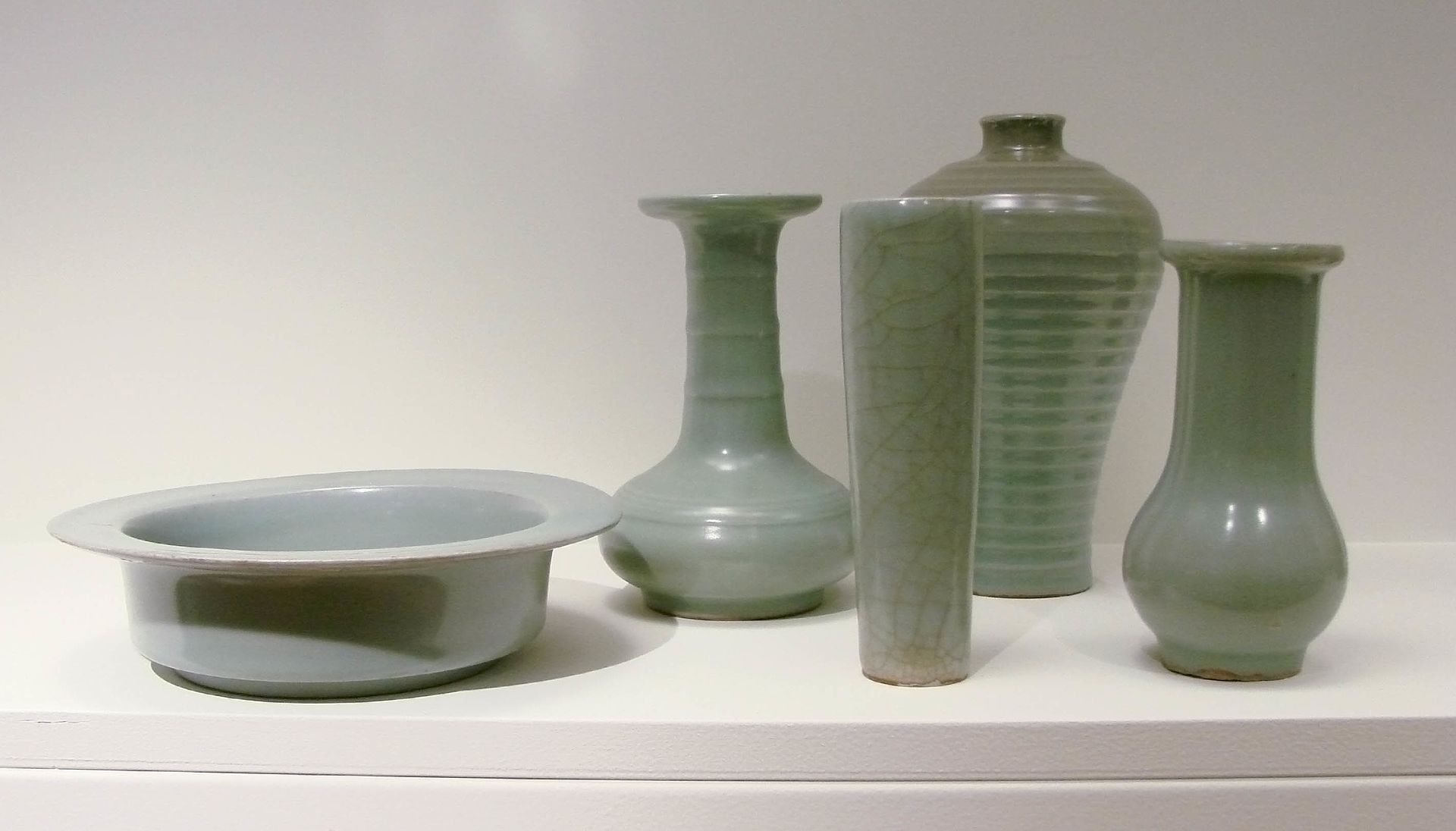
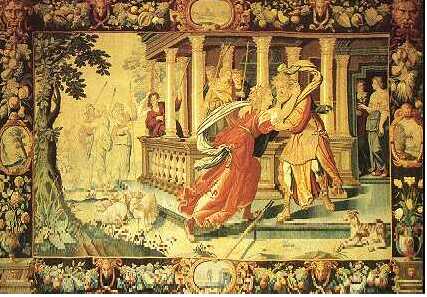
Given the importance of the ceramic maker to the pigment maker and , even, the alchemist, you would be forgiven to believe that celadon, the pale green porcelain, gave its name to that colour, but not at all. Celadon was the name of a shepherd in L’Astrée, a French 17th-century romance set in druidic Gaul. The story is awfully sentimental and long-winded, and doesn’t even end well with Astrée, who believes Celadon is disloyal, fleeing. But out of all things in the universe, somehow, it is the jade colour of Celadon’s ribbons which gave Celadon’s name to the colour which, in turn, gave it to the porcelain with that colour and, eventually, was even given to Celadonite, when the green to blue-green mineral in question, one of the primary colouring components of Terre Verte, was identified and labelled. This had to be researched thoroughly to be believed, and trust me, this is what I did. But… no clay nor specific pigment here, so let’s move on!
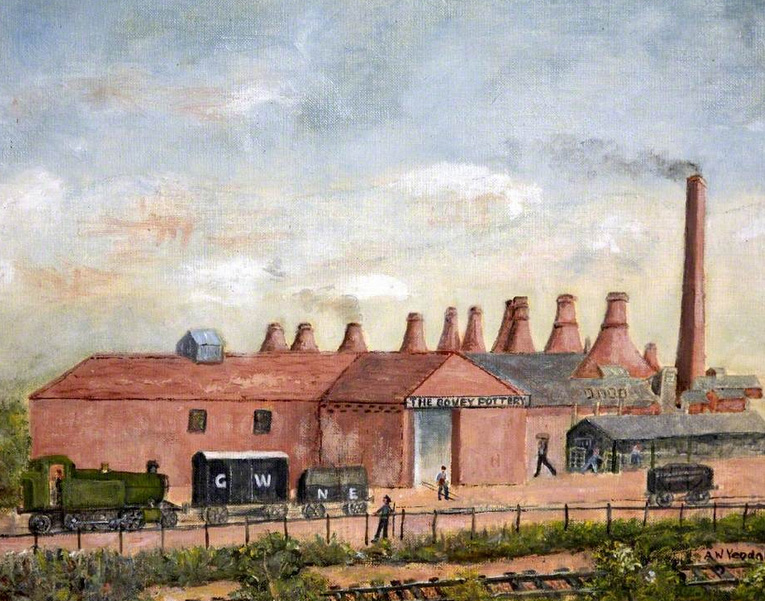
P.S.: As I queried how I could link pigment, my chosen material for the year in my MA in Art and Materials Histories, with an assigned Collaborative Clay Project, a few immediately came to mind, which, I assumed, were manufactured with clay as one of their components. Potter’s Pink, Celadon and Ceramic White sounded promising anyway.
I knew for sure Maya(n) blue was the result of a fusion between indigo and a particular clay, palygorskite, but was curious to understand how a couple of paint companies had managed to bring on their shelves other Mayan colours. How were green, red and yellow produced? Did they also use palygorskite clay? And then, which colourant? Indigo’s role is exceptional in the production of Mayan blue…
Yet the revelation of the year was probably meeting Lucy Mayes, the pigment maker behind London Pigment, and discovering what beautiful and varied pigments she was producing from old London bricks and a few other intriguing clay-based materials.
I decided to explore all options…
If this might be of interest to you, you can go to Clay: a collaborative project, here
Jump to the next section of the book by clicking here
Alternatively click on the Table of Contents to browse the sections.
You can also subscribe to my blog at the bottom of this page,
and you’ll receive Hues in Tubes in your inbox… as it gets published!
Discover more from in bed with mona lisa
Subscribe to get the latest posts sent to your email.
 in bed with mona lisa
One Comment Add yours