WHYEVER?
Hues in Tubes… and how they made a name for themselves
Some paints are named after… someone who could be…
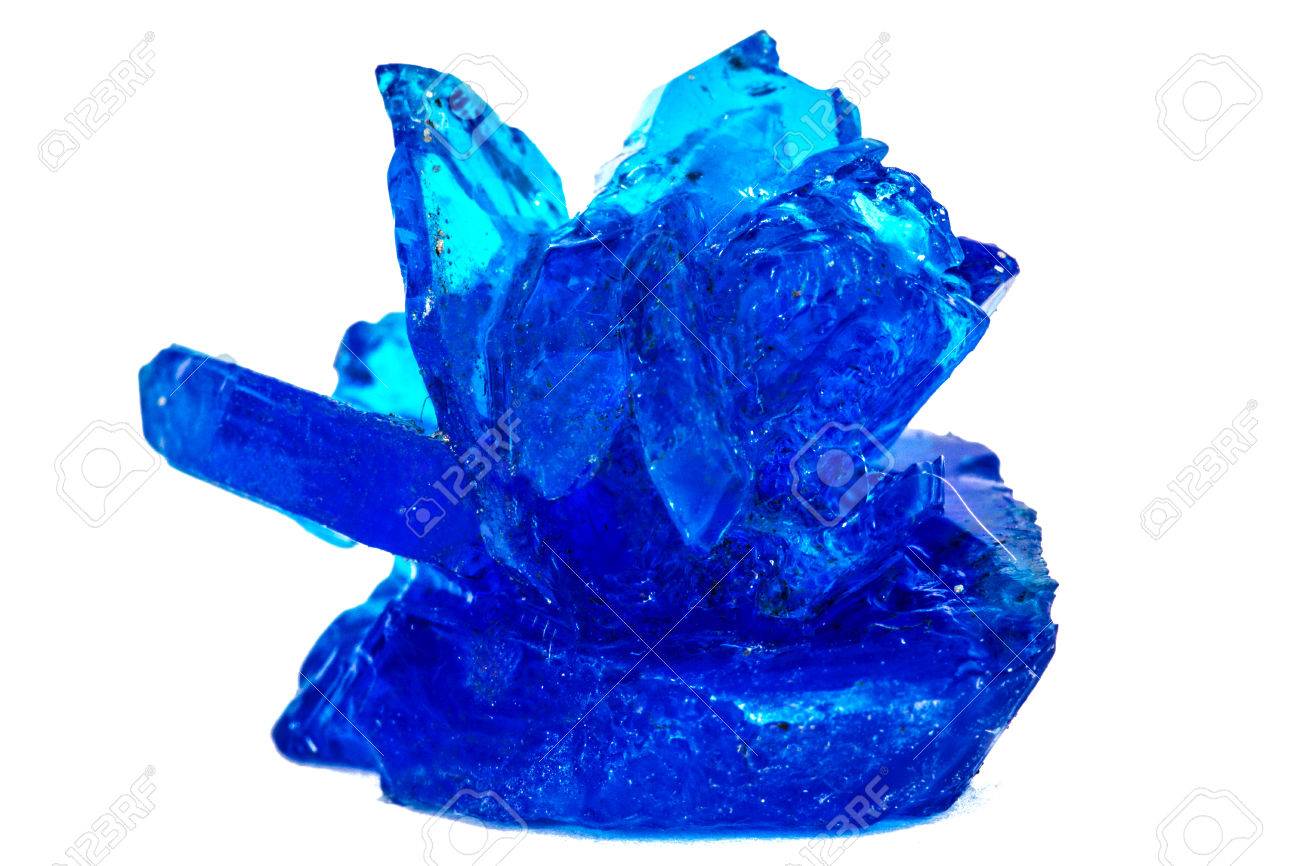
I am not sure why I felt like closing the door on this character, but our ultimate one is a wicked, cruel goblin who once lived deep in the German mountains, pestering the poor silver miners there. Hiding under the appearance of an attractive blue crystal that blooms on smaltite ore, our vicious Kobold would attract and poison the workers with its arsenic content… and yet Cobalt, as the goblin is known in English, has been courted since Antiquity, especially for the beautiful blue glazes it could give ceramic wares.
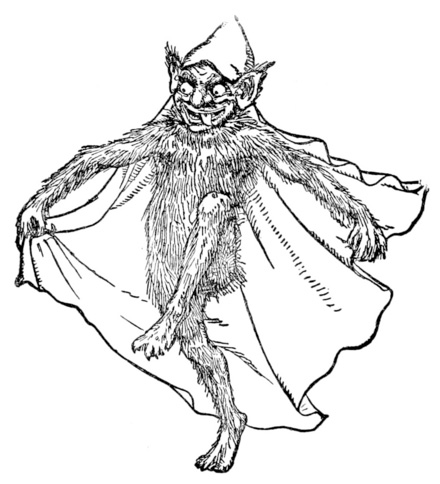
Despite Louis Jacques Thénard’s synthesis of Cobalt Blue in 1802, and them not around the arsenic-containing fumes when smelted, painters should still fear Kobold; he’s quite the toxic friend! In fact, all the cobalt variations (blue, green, teal, violet and yellow) are among the last not-so-friendly remaining ones on our shelves, for a good reason: they are singularly useful and beautiful… just handle them with care, tis all.
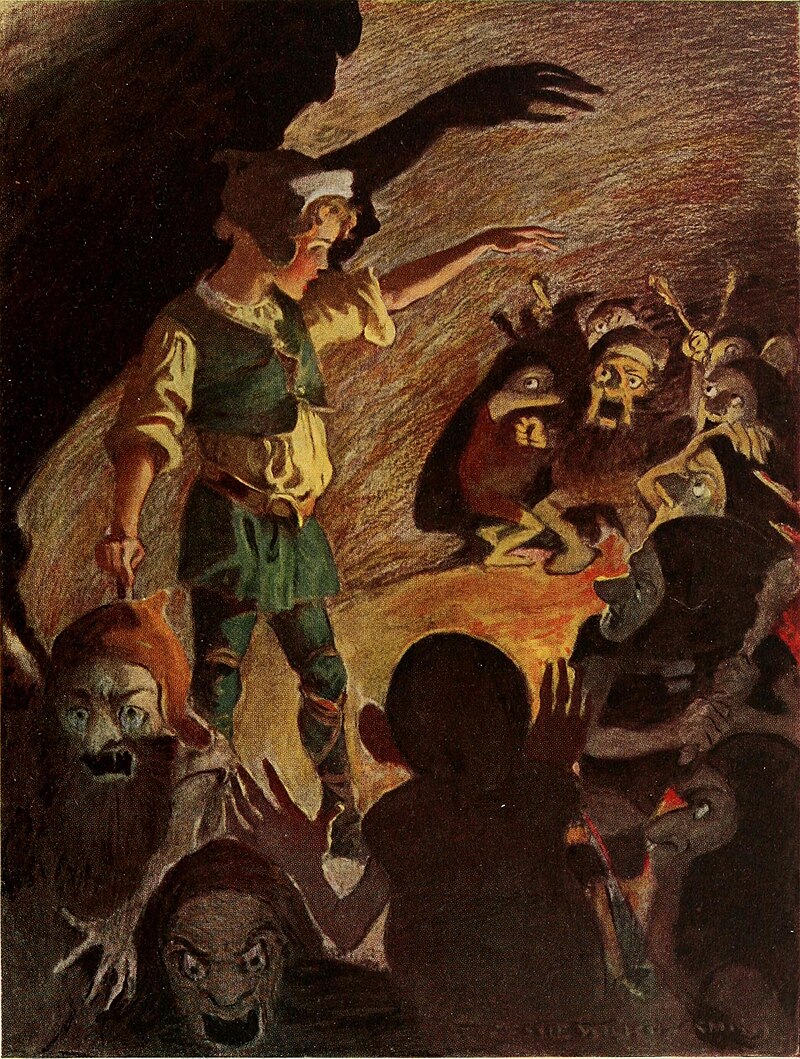
But wait, there’s more… I’ve recently found out there was a second goblin who found no other pleasure than to put under the miners’ pickaxes a useless mineral (rather than the hoped-for copper) and also emanated the most toxic vapours! His little name was Nickel (an abbreviation of Nicolaus in German), and you can find him, for example, in Nickel Titanite Yellow where the host pigment is titanium, but Nicolaus gives it its colour.
Subscribe to my blog at the bottom of this page,
and you’ll receive the next section of Hues in Tubes in your inbox!
Alternatively, click on the Table of Contents to browse the sections.
Discover more from in bed with mona lisa
Subscribe to get the latest posts sent to your email.
 in bed with mona lisa
One Comment Add yours