WHYEVER?
Hues in Tubes… and how they made a name for themselves
Some paints are named after… their content
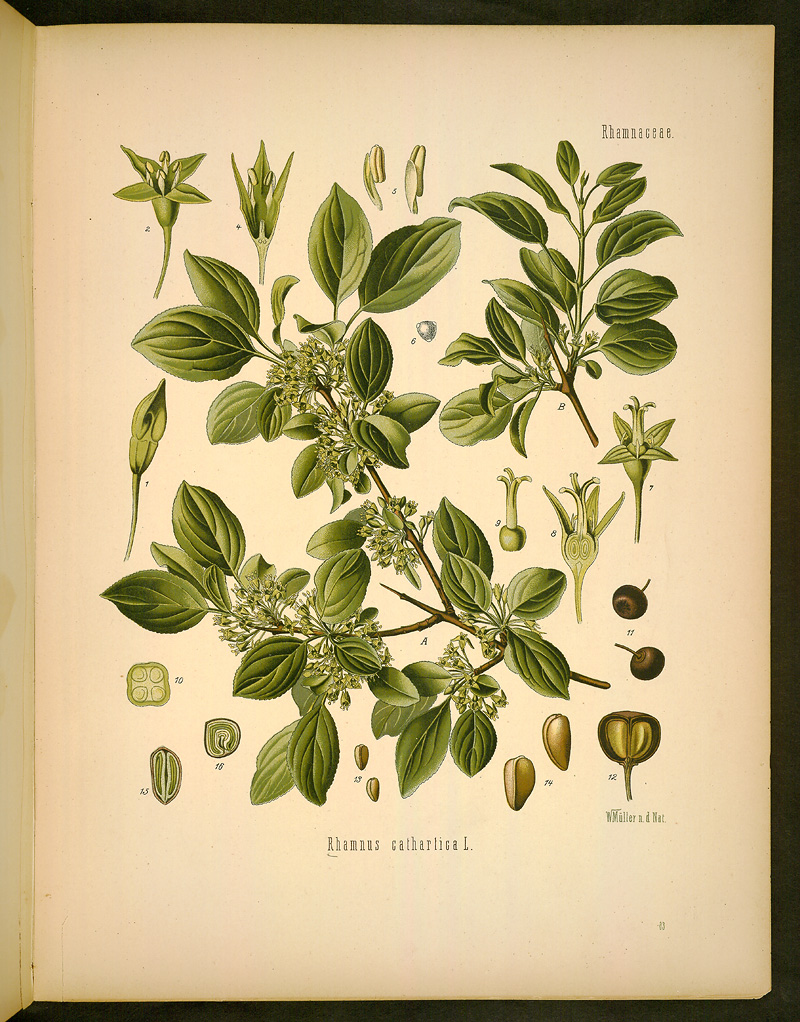
We have covered many of the plants, lichens, flowers, fruit and barks that have been used to (usually) make lake pigments, but not many have ended up with their names on tubes. Save for the two that had me in stitches… I had often wondered why a dark green paint was called Sap Green. If you think about it, sap is rarely that colour, usually white or even transparent. But while I discovered that the green was traditionally made with ripe buckthorn berries, I also realised it had a brother in decoction: another traditional burnt orange-to-dirty-yellow pigment called Stil de Grain. Both came in variations of colour, thanks to the addition of iron, tin or copper salts and the temperature of the dye solution, but mainly, the colour depended upon the ripeness of the berries in the decoction.
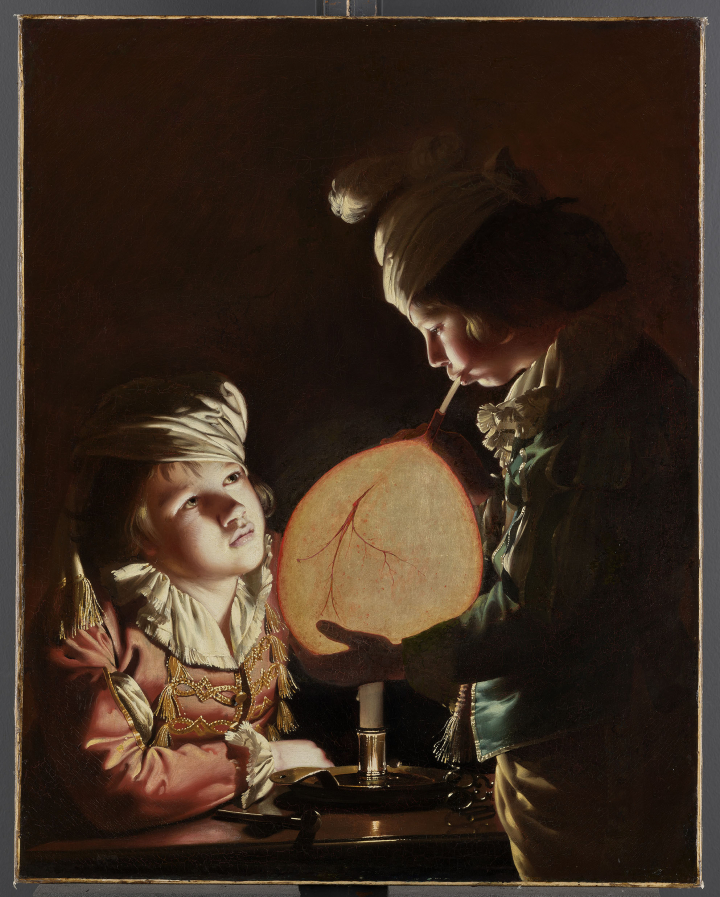
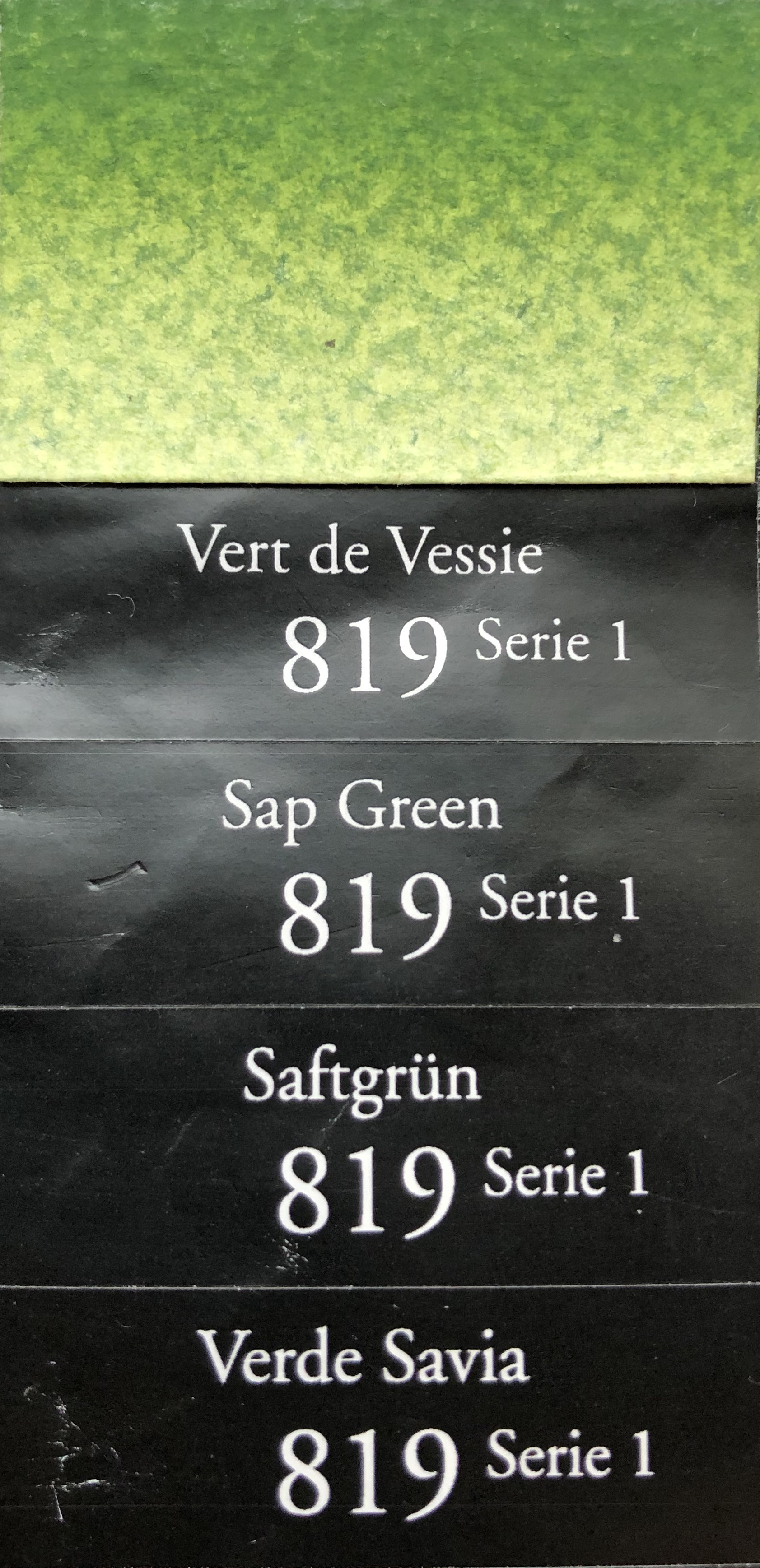
When the necessity for a colour existed, we have seen dyes turned into lakes, but that ripe buckthorn decoction could never be turned into a particle pigment then (you can find it now), as it remained a syrupy, sticky substance—hence the analogy to sap. It was sold as ready-made paint and, as colour used to be, in pig’s bladders. The name in French for the green sticky goo keeps the connotation with its container of old and goes, even today, under the not-so-inspiring label of Bladder Green. Whether Vert de vessie or Sap, the green was fugitive, so it’s a mixture of pigments that vary significantly with each manufacturer and is labelled as a hue nowadays.
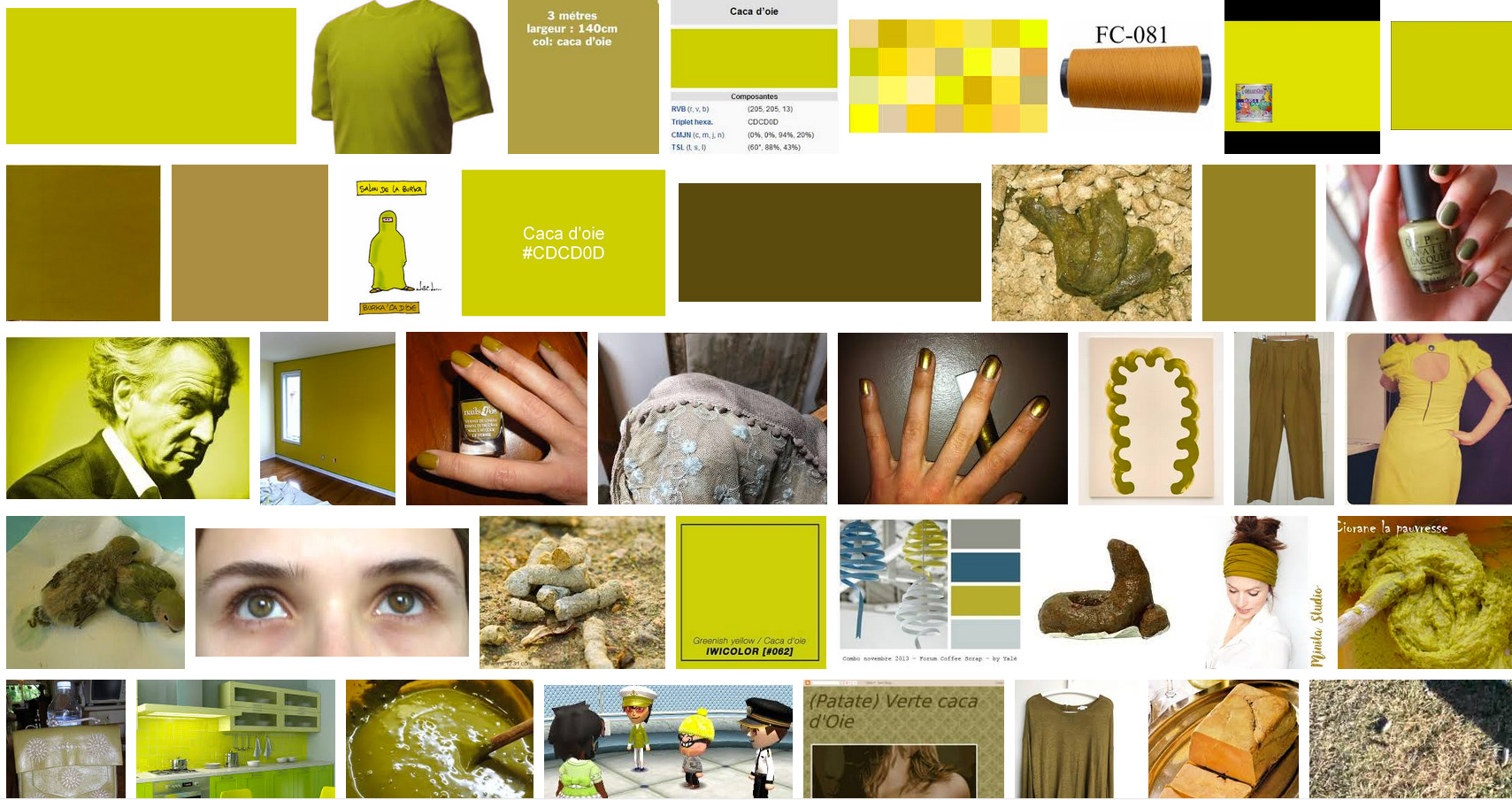
That satisfied my curiosity about Sap Green, not the somewhat obscure Stil de Grain. Along the way, I had also found out that the buckthorn berry was called in French graine d’Avignon, Avignon seed, and graine to Grain seemed a plausible step, so I was going to leave it at that. Still, if it sounded French, Stil de Grain means nothing in French. So I did one more check, and OMGod and all goddesses, according to the most respectable Dictionnaire de l’Académie Francaise, Stil de Grain actually derives from the Dutch colour schijtgroen, literally shit green—a colour we have in French too, yet even more precise as caca d’oie translates into… goose poo1!!
(And, let’s not become scatologic now, but may I nevertheless remind you that schijtgroen, buckthorn buddy to above ‘Bladder Green’, also went under the name of Italian, Dutch or Brown pinke from the German pinkeln, “to piss or make water!”)
Hues in Tubes,
everything you’ve always wanted to know about PAINT
without daring to ask the shop assistant
is now available in its entirety on this website…
Jump to the next section of the book by clicking here
If you would like to begin the book at the beginning, please click here
otherwise, to browse the sections, go to the Table of Contents
Additional information & references
- The dye colour goose–turd green is attested in English and dates back to the Elizabethan era, when it was in high demand. Were the wares produced dyed with buckthorn berries? No idea! When the name is used today, rarely it must be said (and easily understood), it’s usually in the context of yarn. ↩︎
Discover more from in bed with mona lisa
Subscribe to get the latest posts sent to your email.


One Comment Add yours